Lactulose (Duphalac) : drug card


Drug name
# Lactulose.
Brand name
# Duphalac.
Class of drug
# Osmotic Laxative.
Indications
# As a laxative to treat constipation.
# Hepatic encephalopathy.
Mechanism of action
# It's a semisynthetic disaccharide (Fructose + galactose). act as Osmotic laxative. It's not absorbed and draws water into the intestines and promotes water and electrolyte retention. It is metabolized to acids which result in acidification of colonic contents, decreased ammonia production and absorption.
route / Dosage form
# Route : Oral.
# Dosage form : Solution 10 g lactulose/15 ml (667mg/ml)
Dose
# Usual Adult Dose for Constipation – Chronic /Acute
15 mL orally once a day.
# Usual Pediatric Dose for Constipation -- Chronic:
Child greater than 1 year: 7.5 mL orally once a day after breakfast.
# Usual Adult Dose for Hepatic Encephalopathy:
*Initial dose: 30 mL orally 3 times a day or
300 ml in 700 mL water or normal saline as an enema retained for 30 to 60 minutes every 4 to 6 hours.
*Maintenance dose: 30 to 45 mL orally 3 times a day.

# Usual Pediatric Dose for Hepatic Encephalopathy:
*Infant: 2.5 to 10 mL orally per day divided in 3 to 4 doses.
*Child greater than 1 year: 40 to 90 mL orally per day divided in 3 to 4 doses.
Pregnancy / Lactation
# Pregnancy: Category B.
# Lactation: No data available. Best to avoid.
Adverse reactions
# Common: Diarrhea, gas, nausea, stomach pain or cramps and vomiting.
# Serious: Excessive diarrhea and fecal water loss can result in hypernatremia.
Important interactions
# Lactulose possibly enhances anticoagulant effect of coumarins.
# Interact with: Antacids – Neomycin (aminoglycosides antibiotics).
Contraindications / precautions

# Contraindicated with patients require galactose-free diet.
# Use with caution in diabetics because the drug contains small amounts of free lactose and galactose. Rectal bleeding or failure to respond to therapy might indicate a serious condition and the need for medical attention.
Other notes
# Lactulose decreases the serum ammonia level and is useful in liver diseases such as cirrhosis.
# It's metabolized in the colon by bacterial flora to short chain fatty acids, acidifying the colonic contents. This favors the formation of the nonabsorbable NH4 + from NH3, trapping NH3 in the colon and effectively reducing plasma NH3 concentrations.
# In the treatment of hepatic encephalopathy, 2–3 loose stools per day are common, but report any worsening of diarrhea. Report belching, flatulence, or abdominal cramps if they are bothersome.
Practical notes
# If you are taking the solution, to improve the taste, you may mix it into fruit juice, water, milk, or a soft dessert.
Trade names
# Egypt :- Duphalac, Lactulose, Sedalac, Laxolac, Lactulax.
# KSA :- Duphalac, Laxolac, Ramilac, Rialac, Sedalac, Soflax, Defolax, Ezilax, Kulax, Lactulose.
# USA :- Cephulac, Chronulac, Constilac, Constulose, Duphalac, Evalose.

 - Prepared by: Dr. Shimaa Sherif. (pharmacist).
- Resources:   - drug.com.  - Clinician's handbook of prescription drugs . - Physicians' Drug   manual 2005 Edition .  -  Master of Egyptian drugs.   -  Master of Saudi drugs.
- Copyrights: All rights are reserved for pharmacist development group 2009 - 2011.

2/14/2011 | Posted in , , , | Read More »

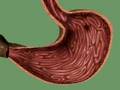
The digestion in the stomach : video

  • Where do the gastric glands are found?
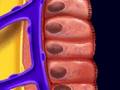
  • How do the pepsinogen is converted to pepsin?
  • What are the functions of parietal cells and chief cells in the stomach?


2/13/2011 | Posted in , , | Read More »

Constipation : note


• Constipation is associated with slow transit of faecal material through the large intestine and increased fluid absorption, resulting in hard, dry faeces.
• Constipation is common in the elderly, in people with emotional problems or those with an inactive/sedentary lifestyle.
• The main causes of constipation are:  lack of fiber and fluid in the diet, intestinal muscle weakness and neurogenic disorders.
• Some drugs also can cause constipation such as:- opiates (as morphine and codeine), calcium channel blocking agents, antacids containing aluminium compounds and iron salts used in the treatment of anaemia.
• The main drug treatment for constipation is laxatives. Laxatives are four main types: bulk-forming preparations, hyperosmolar or saline solutions, faecal softeners/ wetting agents and stimulant or irritant laxatives.
• Adverse effects of laxative use or misuse include: flatulence, abdominal distension, cramps and discomfort, weakness, diarrhoea, dehydration and electrolyte imbalances.

- Prepared by: Dr. Mohamed Abdel Rahman (pharmacist).
- Resources:  -  Clinical physiology and pharmacology,Farideh Javid and Janice McCurrie 2008.
- Copyrights: All rights are reserved for pharmacist development group 2009 - 2011.

1/24/2011 | Posted in , , | Read More »

Hepatitis A (HAV): Rapid review

  •  Introduction.
  •  Signs and symptoms.
  •  Diagnosis.
  •  Prevention.
  •  Treatment.
  •  Transmission.
  •  Some hygiene information to protect yourself.

Introduction:
  • Hepatitis A(infectious hepatitis) is acute infectious disease of the liver caused by hepatitis a virus.
  • The incidence of the infection is high in the developing countries and in regions with poor hygiene standards and the illness is contracted in early childhood.
  • The incubation period (time between the infection and the appearance of symptoms) is between 2 to 6 weeks {average 28 days}.
  • Hepatitis a doesn't have chronic stages, isn’t progressive, and doesn’t cause permanent liver damage.
  • HA infection causes no clinical signs and symptoms in over 90% of the infected children and the infection confers life long immunity as following the infection, AB are formed that confers immunity against further infection.
Signs and symptoms:
  • Symptoms may be mistaken for influenza (fever ,fatigue,abdominal pain , diarrhea, appetite loss, itching, nausea, jaundice, urine of dark color, stool of light color)
  • The color of urine is due to the excretion of bile in it and the color of feces is due to lack of bilirubin.
  • Symptoms can return over the 6-9 months
  • Mortality is less than 0.5%
Diagnosis:
  • IgM antibody is only present in the blood following an acute hepatitis A infection (detectable from 1-2 weeks after the infection and persists for up to 14 weeks.
  • the presence of IgG antibody in the blood mean that acute stage is past and the person is immune to further infection
  • IgG is also found in the blood after vaccination and tests for immunity to the virus are based on the detection of this Ab.
Prevention:
  • Hepatitis A can be prevented by (vaccination,good hygiene and sanitation).
  • The vaccine is given by injection into the muscle of the upper arm.
  • The vaccines, (e.g. Havrix and VAQTA)contain no live virus and are very safe.
  • Initial dose provides protection for 2-4 weeks after vaccination and the second dose(booster dose) is given 6-12 months later, provides protection up to 20 years.
  • N.B. vaccine is given before the infection as it doesn't work after the exposure.
  • Vaccine isn't recommended for children younger than 2 years as it's ineffective for them.
  • If you have been exposed to person who is infected with HAV, there is treatment that may prevent you from becoming infected, it’s called immune globulin and is more likely to be effective when given 2 weeks of exposure.
  • [Immune globulin is a preparation of Ab that can fight the virus in the body] given safely in children younger than 2 years, pregnant women and breast feeding.
  • some samples taken to study ocean water quality was found to have HAV specially after rains so it's advisable not to go to oceans in coastal areas in this time.
Treatment:
  • There is no specific treatment for hepatitis A, but symptomatic treatment (rest, well balanced diet, stay hydrated)and avoid fatty foods and alcohols.
  • N.B. avoid taking medicine or any substance can cause harm to the liver e.g. acetaminophen.
  • The low % of death scour usually in older ages (>50 years) and in those suffering another form of viral hepatitis (C or B).
Transmission:
  • By fecal-oral route, poor sanitation, overcrowding,ingestion of shellfish cultivated in polluted water and by blood transfusion but this is very rare.
  • Fecal-oral route mean that when a person put something in his mouth that has been contaminated with faeces of an affected person.
  • N.B. people who don't have symptoms can still spread the virus.
Some hygiene information to protect yourself:
  • Wash your hands thoroughly every time you use the bathroom,before touching or preparing food, and before touching others. Wash carefully with soap and warm water and dry thoroughly.
  • Contaminated surfaces should be cleaned with household bleach to kill the virus. Heat food or water to 185°F or85°C to kill the virus. 

- Prepared by: Dr. Mustafa Abdel Tawab (pharmacist).
- Resources:  -  Color atlas of pharmacology.  -  Drugs.com.  -  Master of Egyptian drugs. -  Wikipedia.   -  Master of Saudi drugs.
- Copyrights: All rights are reserved for pharmacist development group 2009 - 2011.

12/28/2010 | Posted in , , | Read More »

Mebendazole (Vermox) : drug card

Drug name
# Mebendazole.
Brand name
# Vermox.
Class of drug
# Anthelmintic.
Indications
# Anthelmintic (Pinworms, Roundworms, hookworms, whipworms).
# Capillariasis.
Mechanism of action
# Inhibits uptake of glucose and other nutrients
by parasitic helminths.
route / Dosage form
# Route : Oral only.
# Dosage form : Sus:- 20mg/ml,Tab:- 100mg.
Dose
# Pinworms
* Adults, children >12 years: 100 mg as single dose. Repeat in 2 weeks if infection persists. Treat other family members.
# Roundworms, hookworms, whipworms
* 100 mg b.i.d. for 3 days. Repeat dose in 3–4 weeks.
# Capillariasis
* Pediatric: 200 mg b.i.d. for 20 days. Its use in children <2 years is considered a relative contraindication.
Pregnancy / Lactation
# Pregnancy: Category C.
# Lactation: Probably present in minute amounts in breast milk. May continue breastfeeding.
Adverse reactions
# Common: diarrhea, abdominal pain, nausea, vomiting.
# Serious: bone marrow suppression, hepatitis, hypersensitivity reactions.
Important interactions
# Drugs that decrease effects/
toxicity of mebendazole: phenytoin, carbamazepine, cimetidine.
Contraindications / precautions
# Use with caution in patients with liver disease, ulcerative colitis, Crohn’s ileitis.
Other notes
# Food: Take with food.
Practical notes
# Avoid driving and other activities requiring mental alertness or that are potentially dangerous until response to drug is known.
# Patient and family members should shower frequently if
   possible.
# Keep hands away from mouth.
# Keep fingernails short and clean.
# Do not shake bedding as this could result in airborne spread of ova.
# Counsel patient’s family members to check for worm infestation and treat accordingly.
# Disinfect toilet daily; wash all fruits and vegetables; cook all meats and vegetables thoroughly.
# Wear gloves when preparing food.
# Patient and family members should be taught how to avoid
   reinfestation with these worms. The following measures
   should be undertaken to avoid reinfection:
  (1) perianal area should be washed thoroughly;
  (2) hands and fingernails should be cleaned before meals and after defecation;
  (3) undergarments and bedclothes should be changed daily.
# Mebendazole is the drug of choice for whipworm; it can produce up to 70% cure with a single treatment. The cure rate for roundworms, pinworms, and hookworms is 90–100%. The criterion for cure is negative perianal swabs for 7 days.
# For those treated for hookworm and whipworm: it may be necessary to take an iron supplement every day and for 6 months following treatment if anemia is present.
Generic names
# Egypt :Antiver,Vermin,Anthelmin,Mebamox,Verm1.
# KSA :- Vermox,Bendazole,Parazole,wormazole.

- Prepared by: Dr. Mohamed Abdel Rahman. (pharmacist).
- Resources:   - Handbook of clinical drug data, 10th edition. - Clinician's handbook of prescription drugs . - Physicians' Drug   manual 2005 Edition .  -  Master of Egyptian drugs.   -  Master of Saudi drugs.
- Copyrights: All rights are reserved for pharmacist development group 2009 - 2011.

12/07/2010 | Posted in , , | Read More »

Gallstones : rapid review

  •  How gallstones are formed.
  •  Types.
  •  Causes.
  •  Risk factors.
  •  Symptoms.
  •  Diagnosis.
  •  Treatment.

How gallstones are formed:-

  • Bile help the body to digest fat , it is made in the liver , stored in the gallbladder until the body need it.
  • Cholesterol secreted from the liver into the bile, it's held in solution forming micellar complexes with bile acids & phospholipids . 
  • Gallstones : are small pebble-like substances develop in the gall bladder [Cholelithiasis: stones in the gall bladder or in the bile duct, cholidocholilethiasis: obstruction of the common bile duct]
  • When cholesterol level increase (secreted more than which can be emulsified ) it precipitates forming gallstones .
  • Gallstones may be as small as a grain of sand or as large as a golf ball & may be one or hundred or combination of 2 .
  • Gallstones can block the flow of the bile if lodged in any of the ducts  present (types of ducts are hepatic duct: carry the bile out of the liver, cystic duct: carry bile to & from gallbladder, common bile duct: takes bile from cystic & hepatic to the small intestine)

Types:-         
  • Gallstones are of 2 types :
  1. cholesterol stones 80% .
  2. pigment stones (of bilirubin).

Causes:-
  • Causes of gallstone formation:
  1. too much cholesterol or bilirubin .
  2. not enough bile salts .
  3. gallbladder doesn't empty completely often enough .

Risk factors:-

  • People at risk for gallstones include :-
  • women—especially women who are pregnant, use hormone replacement therapy, or take birth control pills .
  • people over age 60 .
  • overweight or obese men and women .
  • people who fast or lose a lot of weight quickly .
  • people with a family history of gallstones .
  • people with diabetes .
  • people who take cholesterol-lowering drugs .

Symptoms:-
  • Symptoms: (start to appear when stone become more than 8mm)
  1. Steady pain in the upper abdomen .
  2. pain in the right shoulder.
  3. nausea .
  4. fever.
  5. jaundice .
  • The symptoms appear suddenly so ,it's called gallbladder attack & usually follow fatty meals & may be during night .
  • Silent stones: with no symptoms & no need for treatment.


Diagnosis:-

  • All stones are of mixed content to some extent (cholesterol 30-70%) + ca salts . so because of their calcium content they can be diagnosed radiologically. (ultrasound & ct) .
  • blood test also needed to look for infection, obstruction & pancrititis.

Treatment. mmm                   

  • Drug therapy play a subordinate role compared with surgical therapy (as with drug , gallstones may recur again after stoppage of the drug) therapy .
  • Administrating more bile acids [ursodeoxycholic acid (ursofalk) ® or chenodeoxycholic acid] decrease gallstones because they emulsify cholesterol and prevent its precipitation .
  • Conditions must be provided to attain adv of bile acid administration :
  • Gallstones volume less than 15mm, gall bladder with normal function, no liver disease , normal body weight, long term administration of bile acids.

- Prepared by: Dr. Mustafa Abdel Tawab (pharmacist).
- Resources:  -  Color atlas of pharmacology.  -  Drugs.com.  -  Master of Egyptian drugs. -  Wikipedia.   -  Master of Saudi drugs.
- Copyrights: All rights are reserved for pharmacist development group 2009 - 2011.

6/24/2010 | Posted in , , | Read More »

The digestion in the small intestine : video

  • What are functions of villi and microvilli ?
  • How do the carbohydrates, proteins and fats are digested in the small intestine ?
  • What is lacteal and what is its function ?


6/14/2010 | Posted in , , | Read More »

Digestive system overview : video

  • What are the parts of digestive system?
  • What is the role of amylase in digestion?
  • What is lacteal and what is its function?


6/14/2010 | Posted in , , | Read More »

Understanding of gallstones : video

  • Where does bile is stored?
  • How do the gallstones is formed?
  • What are the symptoms of blocked gall bladder?


6/03/2010 | Posted in , , | Read More »