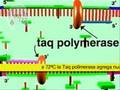
Steps of PCR : video

  • How does polymerase chain reaction (PCR) occur?
  • What the idea of PCR?
  • What is the role of temperature in PCR?


5/19/2011 | Posted in , , | Read More »

حملة صيادلة مصر لانتاج المواد الخام الدوائية فى مصر


فى هذة المرحلة الفاصلة من تاريخ مصر والتى يجب ان تتكاتف فيها الجهود لاعادة بناء مصر كان لزاما على صيادلة مصر أن يقوموا بأهم دور لهم وهو تأمين الصناعة الدوائية فى مصر عن طريق انتاج المواد الخام والمواد الفعالة الدوائية داخل مصر بدلا من الاستيراد من الخارج الذى يجعل الامن القومى المصرى فى خطر اذا حدثت حروب او ازمات توقف عملية الاستيراد
لذلك أنشئنا هذة الحملة
حملة صيادلة مصر لانتاج المواد الخام والمواد الفعالة الدوائية فى مصر

تعريف بالحملة :

حملة صيادلة مصر لانتاج المواد الخام الدوائية فى مصر هى حملة يقوم بها صيادلة مصر لتكوين رأى عام ضاغط فى مصر على القطاع العام والخاص ونقابة الصيادلة والجهات المعنية للبدء فى مشاريع لانتاج المواد الخام الدوائية فى مصر عن طريق انشاء مصانع لانتاج المواد الفعالة والمواد الخام اللازمة لانتاج الادوية والمستلزمات الطبية فى مصر بدلا من استيرادها من الخارج بقصد تحقيق الاكتفاء الذاتى فى هذا المجال الذى يمثل قضية أمن قومى لمصر.

اهداف الحملة :

1- التوعية العامة للصيادلة وللمجتمع بأهمية وضرورة تحقيق الاكتفاء الذاتى فى انتاج المواد الخام الدوائية والمواد الفعالة الداخلة فى انتاج الادوية والمستحضرات الطبية فى مصر .
2- تكوين رأى عام ضاغط داخل مجتمع الصيادلة والمجتمع العام للضغط على القطاعات الحكومية للبدء فى انشاء مصنع ضخم لانتاج المواد الخام الدوائية والمواد الفعالة داخل مصر وكذلك اتاحة الفرصة وتهيئة المناخ للقطاع الخاص لدخول هذا المجال ايضا خاصة بعد سقوط النظام السابق الذى كان يقف حجر عثرة فى هذا المجال ولا يسمح به.

مراحل الحملة :

1- التعريف بالقضية ونشرها على المواقع الصيدلانية والمواقع الاجتماعية كالفيس بوك ومنتديات الصيادلة وغيرها وكذلك وسائل الاعلام المقروءة والمرئية .
2- تجميع الافكار والمقترحات حول الحملة ومناقشتها فى الفترة من شهر فبراير وحتى مايو 2011 لتكوين خطة شاملة لتطوير صناعة المواد الفعالة والمواد الخام الدوائية داخل مصر لعرضها على المجلس الجديد لنقابة صيادلة مصر المقرر انتخابه فى شهر مايو القادم بهدف تبنيه لها بصفة رسمية كهيئة ممثلة للصيادلة لتقديمها للجهات المعنية للبدء فى مناقشة الخطة وادخال التعديلات الضرورية عليها للبدء فى تنفيذها.
3- نشر القضية فى وسائل الاعلام لجذب الرأى العام لتبنى هذة الحملة والضغط على الجهات المعنية لتنفيذها.
4- تجميع التوقيعات للصيادلة المصريين فى الداخل والخارج على الخطة المقترحة لتقديمها لنقابة الصيادلة والجهات المعنية.

بعض الافكار المقترحة :-
 
1- البدء فى عمليات تطوير وتوسيع شاملة لمصانع القطاع العام التى تقوم بإنتاج المواد الخام الدوائية والمواد الفعالة فى مصر بهدف تغطية كل المواد الاساسية من المواد الفعالة الازمة للادوية الاساسية والضرورية . او انشاء مصنع / مصانع جديدة خاصة لهذا الغرض فقط.
2- السماح للقطاع الخاص بالدخول فى هذا المجال بهدف الاستفادة من خبرات وطاقات القطاع الخاص بهدف التوسع والتطوير لهذا المجال.
3- انشاء مصنع خاص لانتاج المواد الخام الدوائية والمواد الفعالة الازمة لانتاج الادوية والمستحضرات الطبية يكون تابع للنقابات المهنية الطبية ممثلة فى شركة المهن الطبية لضمان عدم الاحتكار ويكون رأس المال من خلال رأس مال الشركة الحالى او فتح باب بيع الاسهم للافراد من الصيادلة والاطباء التابعين لتلك النقابات او رجال الاعمال او حتى اكتتاب عام بشرط بقاء تلك الشركة تحت ادارة المهن الطبية.
4- الضغط على الشركات متعددة الجنسيات التى تمتلك مصانع لانتاج الادوية فى مصر لعمل تراخيص من الشركات الام لانتاج المواد الفعالة التى تستخدمها فى تصنيع أدويتها داخل مصر بدلا من استيرادها من الخارج ويتم عمل جدول زمنى لانجاز ذلك .
5- زيادة الضرائب على المواد الخام الدوائية المستوردة والغاء الضرائب او تخفيضها جدا على مثيلاتها المنتجة محليا بهدف تشجيع الصناعة الوطنية وتشجيع وصول مصر للاكتفاء الذاتى فى هذا المجال الحيوى.
6- عمل حملات توعية فى وسائل الاعلام لزيادة الثقة فى المنتج الوطنى وتعريف المجتمع بأهمية هذة القضية من خلال لجنة مخصوصة لذلك تكون تابعة لنقابة الصيادلة او وزارة الصحة .
7- تشديد الرقابة على المنتجات المحلية لضمان جودتها لتكتسب ثقة عالية لدى المواطن حتى يمكنها منافسة المنتج المستورد بقوة.
8- توعية الرأى العام بأهمية انتاج المواد الفعالة والمواد الخام الدوائية فى مصر وضرورة ذلك كقضية امن قومى لمصر حيث أن الغالبية العظمى من المواد الخام الدوائية والمواد الفعالة الداخلة فى تصنيع الادوية فى مصر مستوردة من الخارج مما يشكل خطر حقيقى على الامن القومى فى حالة حدوث حروب او ازمات توقف الاستيراد من الخارج .
9- تنبيه الراى العام الى ان السبب الرئيسى فى تأخر مصر فى البدء فى هذا المجال كان بسبب النظام السابق فى الحكم والذى كان يمنع انشاء مصانع لهذا الغرض سواء من القطاع العام او الخاص لذلك فالواجب علينا الآن تكاتف الجهود فى هذة القضية بعد زوال من كانوا يعطلونها .
---------------------------------------------------------------------------------------

 هذة الحملة نتاج افكار وتطلعات شباب من صيادلة مصر وليست تابعة لأى حزب او قوى سياسية.
شارك معنا فى هذة الحملة بأفكارك بأقتراحاتك بنشر الحملة . كن ايجابيا وساهم فى بناء المستقبل .

المنسق العام للحملة
د. محمد نصار
للمراسلة : email : admin@pharmacist-development.com


2/18/2011 | Posted in , | Read More »

Secretion of thyroxin hormone : video

  • What is the role of the following in thyroxin hormone secretion : hypothalamus, anterior loop of pituitary gland & thyroid gland?
  • What is the meaning of : TRH, TSH & negative feedback?
  • How do the levels of TSH, TRH & thyroxin affect each other?

    2/17/2011 | Posted in , , , | Read More »

    Lactulose (Duphalac) : drug card


    Drug name
    # Lactulose.
    Brand name
    # Duphalac.
    Class of drug
    # Osmotic Laxative.
    Indications
    # As a laxative to treat constipation.
    # Hepatic encephalopathy.
    Mechanism of action
    # It's a semisynthetic disaccharide (Fructose + galactose). act as Osmotic laxative. It's not absorbed and draws water into the intestines and promotes water and electrolyte retention. It is metabolized to acids which result in acidification of colonic contents, decreased ammonia production and absorption.
    route / Dosage form
    # Route : Oral.
    # Dosage form : Solution 10 g lactulose/15 ml (667mg/ml)
    Dose
    # Usual Adult Dose for Constipation – Chronic /Acute
    15 mL orally once a day.
    # Usual Pediatric Dose for Constipation -- Chronic:
    Child greater than 1 year: 7.5 mL orally once a day after breakfast.
    # Usual Adult Dose for Hepatic Encephalopathy:
    *Initial dose: 30 mL orally 3 times a day or
    300 ml in 700 mL water or normal saline as an enema retained for 30 to 60 minutes every 4 to 6 hours.
    *Maintenance dose: 30 to 45 mL orally 3 times a day.

    # Usual Pediatric Dose for Hepatic Encephalopathy:
    *Infant: 2.5 to 10 mL orally per day divided in 3 to 4 doses.
    *Child greater than 1 year: 40 to 90 mL orally per day divided in 3 to 4 doses.
    Pregnancy / Lactation
    # Pregnancy: Category B.
    # Lactation: No data available. Best to avoid.
    Adverse reactions
    # Common: Diarrhea, gas, nausea, stomach pain or cramps and vomiting.
    # Serious: Excessive diarrhea and fecal water loss can result in hypernatremia.
    Important interactions
    # Lactulose possibly enhances anticoagulant effect of coumarins.
    # Interact with: AntacidsNeomycin (aminoglycosides antibiotics).
    Contraindications / precautions

    # Contraindicated with patients require galactose-free diet.
    # Use with caution in diabetics because the drug contains small amounts of free lactose and galactose. Rectal bleeding or failure to respond to therapy might indicate a serious condition and the need for medical attention.
    Other notes
    # Lactulose decreases the serum ammonia level and is useful in liver diseases such as cirrhosis.
    # It's metabolized in the colon by bacterial flora to short chain fatty acids, acidifying the colonic contents. This favors the formation of the nonabsorbable NH4 + from NH3, trapping NH3 in the colon and effectively reducing plasma NH3 concentrations.
    # In the treatment of hepatic encephalopathy, 2–3 loose stools per day are common, but report any worsening of diarrhea. Report belching, flatulence, or abdominal cramps if they are bothersome.
    Practical notes
    # If you are taking the solution, to improve the taste, you may mix it into fruit juice, water, milk, or a soft dessert.
    Trade names
    # Egypt :- Duphalac, Lactulose, Sedalac, Laxolac, Lactulax.
    # KSA :- Duphalac, Laxolac, Ramilac, Rialac, Sedalac, Soflax, Defolax, Ezilax, Kulax, Lactulose.
    # USA :- Cephulac, Chronulac, Constilac, Constulose, Duphalac, Evalose.

     - Prepared by: Dr. Shimaa Sherif. (pharmacist).
    - Resources:   - drug.com.  - Clinician's handbook of prescription drugs . - Physicians' Drug   manual 2005 Edition .  -  Master of Egyptian drugs.   -  Master of Saudi drugs.
    - Copyrights: All rights are reserved for pharmacist development group 2009 - 2011.

    2/14/2011 | Posted in , , , | Read More »

    Drugs used in osteoporosis and paget's disease treatment : lecture

    •  Osteoporosis.
    •  Paget's disease.
    •  Drugs used in osteoporosis and paget's disease treatment.
    •  Practical notes.
    •  Rapid review.
    •  Test yourself.

    Slides titles :-
    What is osteoporosis.
    Treatment of osteoporosis.
    What is paget's disease.
    Complications of paget's disease.
    Treatment of paget's disease.
    Drugs used in osteoporosis and paget's disease treatment.
    Bisphosphonates.
    Types of bisphosphonates.
    Calcitonin.
    Hormone replacement therapy.
    Selective oestrogen receptor modulators.
    Teriparatide.
    Other drugs.
    Practical notes.
    Rapid review.
    Test yourself.
    Resources.

    2/02/2011 | Posted in , , , | Read More »

    Shingles : rapid review


    •  Introduction.
    •  Symptoms.
    •  Infection.
    •  complications.
    •  Treatment and drugs.
    •  Prevention.


    Introduction:-

    • Shingles is a viral infection that causes a painful rash on one side of the body. Often appears as a band of blisters that wraps between 2-3 weeks.
    • Shingles is caused by the varicella-zoster virus (the same virus that causes chickenpox). After you've had chickenpox, the virus lies inactive in nerve tissue near your spinal cord and brain. Years later, the virus may reactivate as shingles.
    • Causes of reactivation are unknown but mostly due to decreased immunity (more occurrence>50 years) and stress. 
    • While it isn't a life-threatening condition, shingles can be very painful.


    Symptoms:-


    The signs and symptoms of shingles usually affect only a small section of one side of your body. These signs and symptoms may include:
    • Pain, burning, numbness or tingling.
    • A red rash that begins a few days after the pain.
    • Fluid-filled blisters that break open and crust over.
    • Itching.
    Some people also experience:
    • Fever and chills.
    • General achiness.
    • Headache.
    • Fatigue.
    **Contact your doctor promptly if you suspect shingles, but especially in the following situations:
    • The pain and rash occur near your eyes. If left untreated, this infection can lead to permanent eye damage.
    • You or someone in your family has a weakened immune system (due to cancer, medications or chronic illness).
    • The rash is widespread and painful.
    Infection:- 
    • You can't catch shingles from someone else who has shingles. But a person with a shingles rash can spread chickenpox to another person who hasn't had chickenpox and who hasn't gotten the chickenpox vaccine. 
    • If you have shingles, you are contagious especially the open sores of the shingles rash so avoid direct contact with people (especially newborns, pregnant women, any one has a weak immune system) until shingles blisters scab over. 
    • Having had chickenpox can develop shingles.


    Complications:- 


    • Most people who get shingles will get better and will not get it again.
    • Complications from shingles can range from a mild to severe, ranging from minor skin infections to post herpetic neuralgia (damaged nerve fibers with exaggerated pain).
    • Other problems may be Vision loss, Encephalitis, an inflammation of the brain, Hearing or balance problems, Facial paralysis.
    • If shingles blisters aren't properly treated, bacterial skin infections may develop.
    Treatments and drugs:-
    • An episode of shingles usually heals on its own within a few weeks, but prompt treatment can ease pain, speed healing and reduce your risk of complications.
    • There is no cure for shingles, but treatment may help you get well sooner and prevent other problems.
    Antiviral drugs:- 
    For best results, start these medications within 72 hours of the first sign of the shingles rash. Oral antiviral medications include:
    • Acyclovir (Zovirax), Valacyclovir (Valtrex), Famciclovir (Famvir).
    • Drugs for the pain such as: Narcotics (e.g. oxycodone).
    • Tricyclic antidepressants, such as amitriptyline
    • Anticonvulsants, such as gabapentin (Neurontin).
    • Numbing agents, such as lidocaine, delivered via a cream, gel, spray or skin patch.
    Over-the counter medications also may help. Examples include:
    • Anti-itch cream or calamine lotion.
    • Oral antihistamines, such as diphenhydramine (Benadryl, others).

    Prevention:-


    • Two vaccines may help prevent shingles :  the chickenpox (varicella) vaccine and the shingles (varicella-zoster) vaccine.
    Question: why shingles is also known as herpes zoster?
    • Varicella-zoster is part of a group of viruses called herpes viruses, which includes the viruses that cause cold sores and genital herpes. Because of this, shingles is also known as herpes zoster. But the virus that causes chickenpox and shingles is not the same virus responsible for cold sores or genital herpes, a sexually transmitted disease.

    - Prepared by: Dr. Mustafa Abdel Tawab (pharmacist).
    - Resources:  -  mayoclinic.com  -  webmd.com.   -  Wikipedia.com.
    - Copyrights: All rights are reserved for pharmacist development group 2009 - 2011.

    1/31/2011 | Posted in , , , , , | Read More »

    Allopurinol (Zyloric, Zyloprim) : drug card


    Drug name
    # Allopurinol.
    Brand name
    # Zyloric, Zyloprim, Aloprim.
    Class of drug
    # Treatment for gout, prophylaxsis for chemotherapy induced hyperuricemia.
    Indications
    # PO for maintenance of moderately severe tophaceous Gout.
    # PO for control of gout.
    # PO or IV for secondary hyperuricemia associated with vigorous treatment of malignancies.
    Mechanism of action
    # Inhibits xanthine oxidase, the enzyme that converts hypoxanthine to xanthine. Xanthine is a precursor for uric acid production; thus uric acid production is decreased.
    route / Dosage form
    # Route : Oral and parintinal.
    # Dosage form : Tab 100, 300 mg; Inj 500 mg..
    Dose
    # Mild gout: 200–300 mg/d.
    # Moderate or severe gout: 400–600 mg/d.
    # Prophylaxis against acute attack: 100 mg/d. Maximum: 800 mg/d.
    # Prevention of hyperuricemia during cancer chemotherapy:
    * Adults, children >10 years: 600–800 mg/d, 2–3 divided doses, 1–2 days before chemotherapy for 2–3 days. IV
    200–400 mg/m2/d.
    * Children <10 years: 200–300 mg/m2/d, 2–4 divided doses.
    IV 200–300 mg/m2/d.
    Pregnancy / Lactation
    # Pregnancy: Category C.
    # Lactation: Appears in breast milk. Considered compatible by American Academy of Pediatrics.
    Adverse reactions
    # Common: skin rash (generally maculopapular).
    # Serious: agranulocytosis, aplastic anemia, thrombocytopenia, hepatic injury, Stevens–Johnson syndrome, vasculitis, toxic epidermal necrolysis, neuritis, cataracts, renal toxicity.
    Important interactions
    # Drugs that increase effects/toxicity of allopurinol: thiazide
    diurectics, ACE inhibitors, vitamin C.
    # Allopurinol increases effects/toxicity of the following: ampicillin, amoxicillin, oral anticoagulants, 6-mercaptopurine, cyclophosphamide,
     theophylline, chlorpropamide, alcohol.
    Contraindications / precautions
    # Children (except for hyperuricemia secondary to malignancy).
    # Do not restart the drug in patients who have developed severe reactions.
    Other notes
    # Food: Take with meals or immediately after eating. Have patient drink large amounts of fluids.
    # reduced dosage in renal impairment.
    Practical notes
    # Limit foods with high purine content (liver or other organ meats, salmon, and sardines).
    # Do not take large amounts of vitamin C.
    # Avoid alcohol and other CNS depressants such as opiate analgesics and sedatives (eg, diazepam [Valium]) when taking this drug.
    # Do not take iron salts while on allopurinol.
    # Limit exposure to UV light as this may increase the risk of cataracts.
    # This drug may be taken with food, milk, or an antacid to minimize stomach upset. Adults should drink at least 10–12 full glasses (each containing 8 fluid ounces) of fluid each day.
    # Report any skin rash, painful urination, blood in urine, eye irritation, swelling of lips or mouth, itching, chills, fever, sore throat, nausea, or vomiting while taking this drug.
    # Allopurinol can cause drowsiness; use caution while driving or performing other tasks requiring alertness, coordination, or physical dexterity.
    # Because the incidence of acute attacks of gout may increase during the first few months of treatment with allopurinol; Colchicine, a uricosuric agent, or an NSAID should be added to the regimen as a prophylactic measure.
    Generic names
    # Egypt : Zyloric, No-uric, Lessuric, Uric- pure, crystasol, High pure .
    # KSA :- Zyloric, Apurol,Loric,No-uric,Purinol,Uroquad.

    - Prepared by: Dr. Mohamed Abdel Rahman. (pharmacist).
    - Resources:   - Handbook of clinical drug data, 10th edition. - Clinician's handbook of prescription drugs . - Physicians' Drug   manual 2005 Edition .  -  Master of Egyptian drugs.   -  Master of Saudi drugs.
    - Copyrights: All rights are reserved for pharmacist development group 2009 - 2011.

    1/26/2011 | Posted in , , , | Read More »